| Tweet |

Custom Search
|
|
 
|
||
|
NOISE POLLUTION AND CONTROL Another type of pollution, which is often not thought of as pollution, is noise. Prolonged exposure to loud noises is not only psychologically taxing but also a cause of hearing loss. Continued exposure to noise levels of 85 decibels (dB) or greater and impact or impulse noise of 140 dB can cause severe hearing loss. You need to be aware of this problem because spaces in the engineering department can easily have average
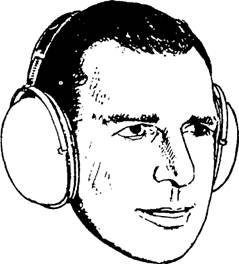
Figure 13-1.-Circumaural (Mickey Mouse) type of ear protection. noise levels within the danger range. The Navy has implemented an occupational noise and hearing conservation program. The goal of this program is to eliminate all noise hazards to personnel. Wherever possible, noise is being reduced by design and insulation. When there are no other practical means available, personal protective hearing devices MUST be worn. Furthermore, anyone who works in spaces where noise levels exceed 104 dB must wear a combination of insert-type ear plugs and circumaural-type ear muffs (fig 13-1). In addition, each person assigned to duties in designated hazardous noise areas are included in the hearing conservation program and receive the required hearing tests within 90 days of that assignment. This procedure serves to determine if a significant hearing loss has occurred. Hazardous noise areas are identified and labeled by either the ship's medical personnel or an industrial hygienist. Audiometric hearing tests are required annually to monitor ship's personnel who are exposed to noise hazards. (Refer to Navy Occupational Safety and Health (NAVOSH) Program Manual, OPNAVINST 5100.23 [series]. ASBESTOS POLLUTION AND CONTROL The inhalation of asbestos fibers can, after a period of years, cause a crippling respiratory condition called asbestosis. Exposure to asbestos can also cause several forms of cancer. All personnel who work around asbestos, and who smoke, should be aware that their chance of contracting lung cancer is increased ninetyfold.
The most prevalent use of asbestos materials aboard ship is in the fabrication and repair of pipe and boiler insulation. The greatest hazard is present when asbestos particles (dust) are in the air. In the interest of personnel safety, the Navy has implemented an asbestos control program. The objective is to eventually replace the asbestos insulating materials with nontoxic materials. In the meantime, the asbestos control program identifies asbestos hazards and implements stringent safety requirements to be followed by personnel working with materials that contain asbestos. Ship personnel are not authorized to remove or repair insulation containing asbestos, except in an operational emergency certified by the commanding officer. Repair and removal work should be referred to the local intermediate maintenance activity (IMA) or contractor. As you know, the greatest danger from asbestos exists when particles of asbestos are in the air, such as during rip-out of old insulation. Rip-out is normally performed by shipyard personnel; however, you may have to enter a space where there are asbestos particles. If you are ripping out old insulation or staying in the space where rip-out is in progress, you MUST wear protective clothing, use a pressure-demand supplied-air respirator , and be formally trained on asbestos-handling procedures. After completing your tasks, you MUST proceed to the designated decontamination center to remove the coveralls and respirator and to take a shower. These precautions should remove any asbestos particles and prevent the spread of asbestos dust to other sections of the ship. You should wet down contaminated disposable coveralls. Wet down is a procedure that reduces the possibility of dust being blown off of the coveralls. Then, dispose of the contaminated coveralls in heavy-duty plastic bags. Clearly mark the plastic bags with caution labels to warn personnel of the asbestos hazard. Insulation materials other than asbestos pose health hazards. For additional information on safe working practices involving these materials, consult the NSTM, chapter 635. REMEMBER, where safety is concerned, take nothing for granted. Your actions can have a positive or negative effect on you and your shipmates. |
 |
|
|
||